Essay: Frances Ha (2012)
Directed by Noah Baumbach, written by Baumbach and Greta Gerwig
Frances Ha (2012)
Directed by Noah Baumbach
Written by Baumbach and Greta Gerwig
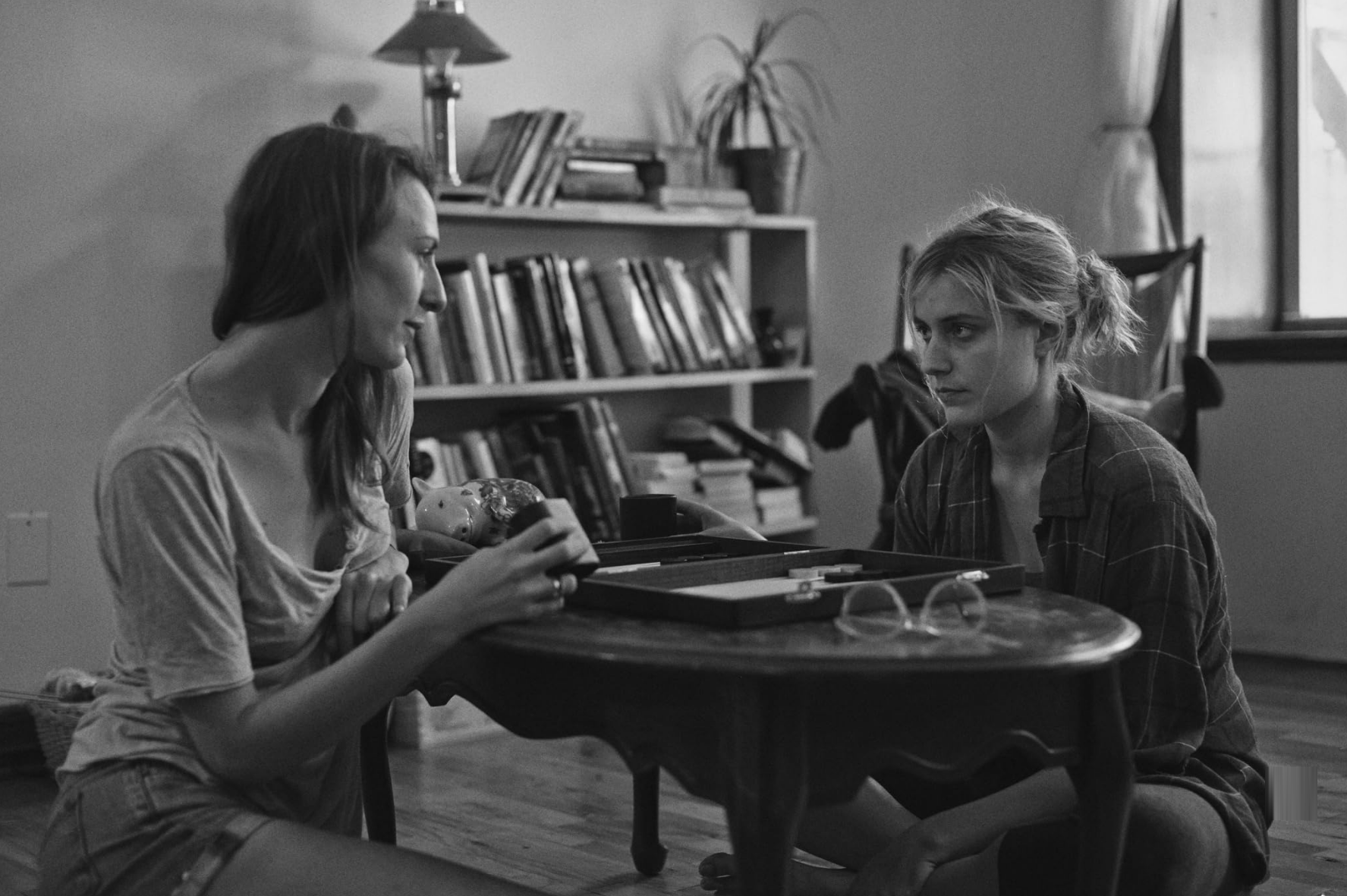
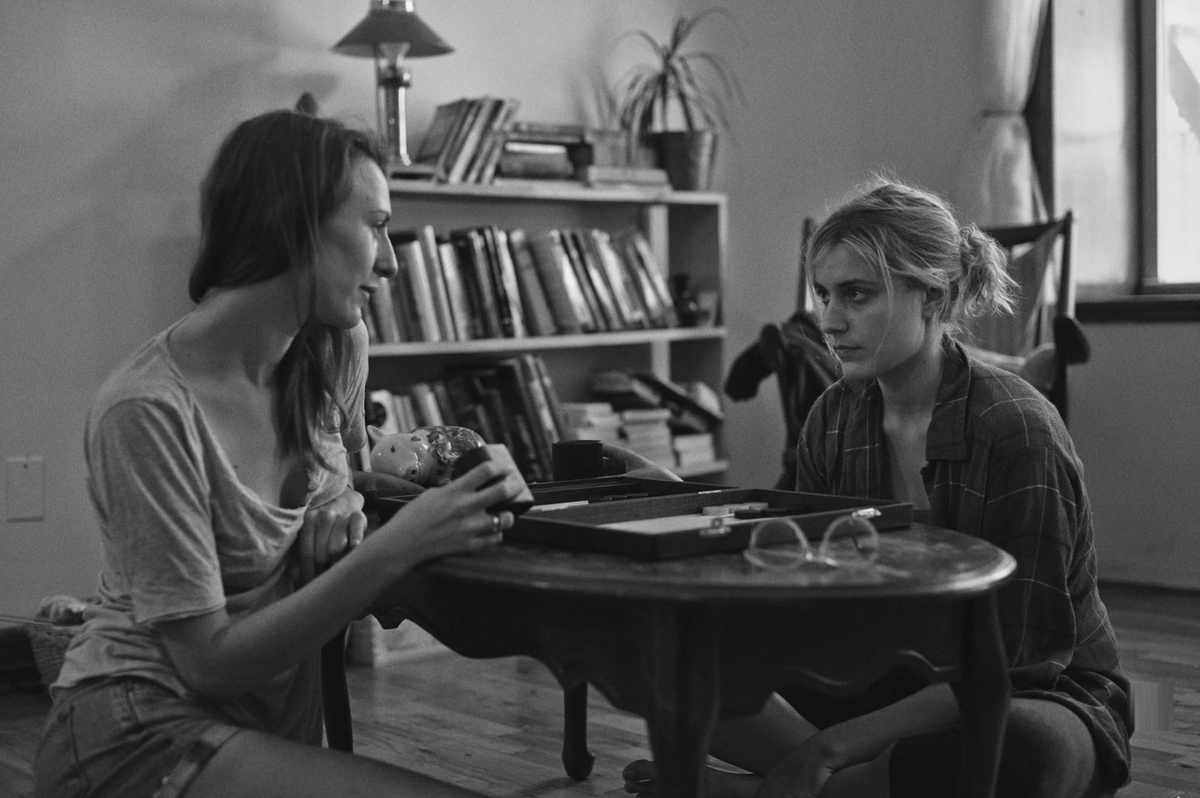
Greta Gerwig (r.) and Mickey Sumner
Thanks for reading Too Beautiful! Subscribe for free to receive new posts and support my work.
Regarded as Greta Gerwig's breakout movie, the 2012 Noah Baumbach-directed "Frances Ha" is one of those films with a very simple, even ordinary, descrption. Something like "Frances, a young woman in her 20s failing at being a modern dancer in New York, juggles many nonromantic relationships looking for the one that will fulfill her." Or: "A straight white girl in New York watches her friends marry or move away as she herself struggles financially in New York of the 2010s." Or: "A young woman who is talented at making friends but seemingly unable to hold onto them makes her way through her 20s in hipster New York."
None of these descriptions sound compelling, and yet the script is wonderful, because it puts Gerwig into believable and slightly absurd situations -- and most situations are a little bit absurd when you're in your 20s -- where she can display her great talents: her remarkable timing; her elastic face -- which, as I said when I reviewed an even earlier feature, "Nights and Weekends," seems directly wired to her id, capable of displaying a stream of emotions at every turn of a scene -- and her willingness to portray characters who are simultaneously vulnerable and not to be trifled with.
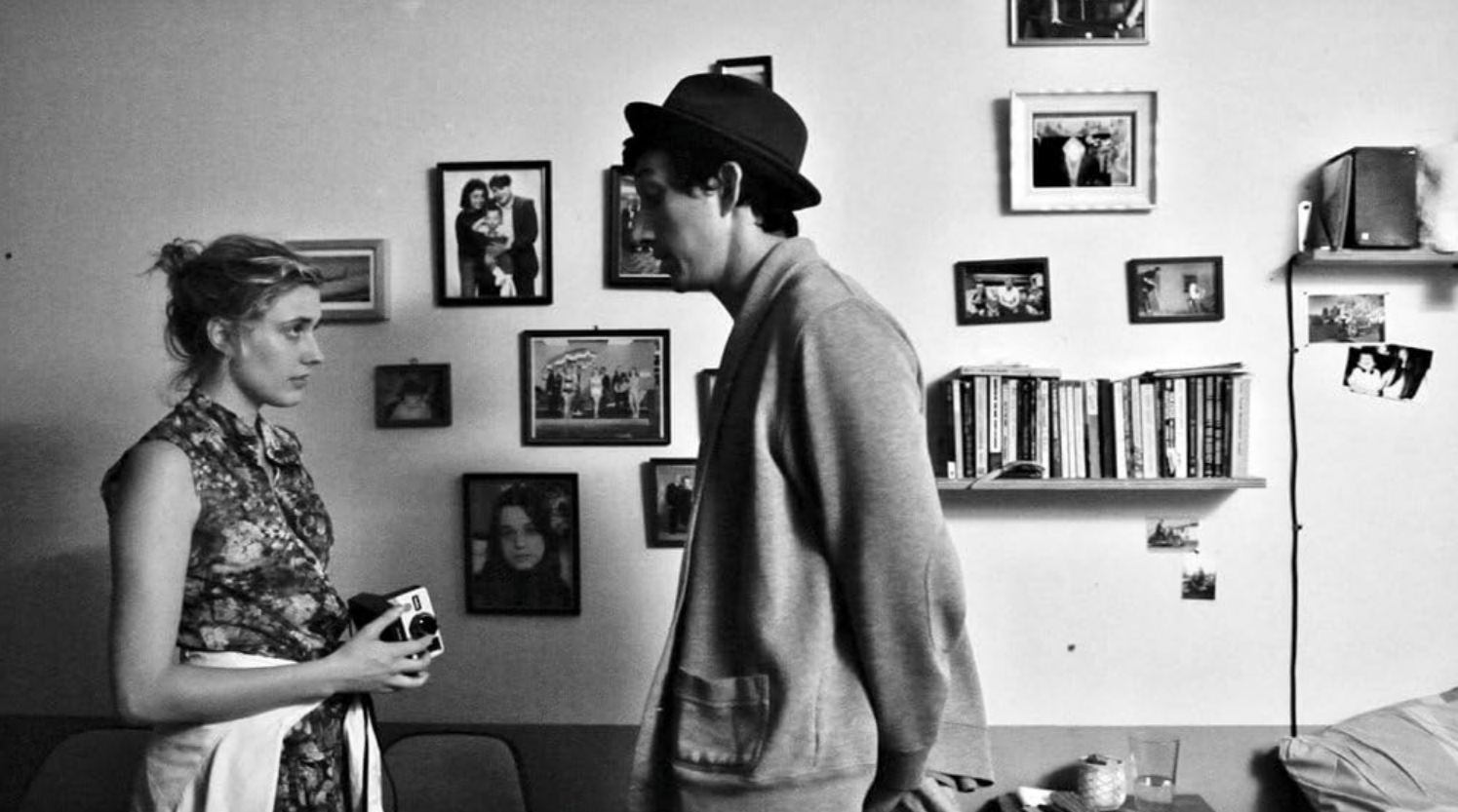
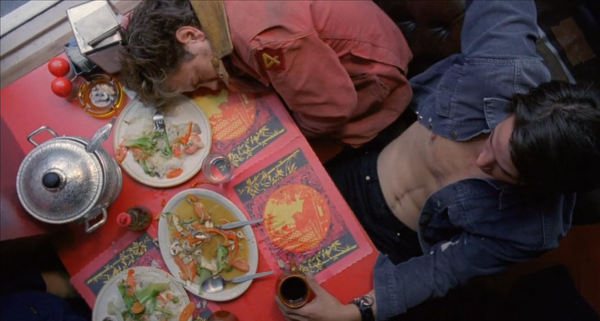
Greta Gerwig (l.) and Adam Driver
Frances breaks up with her boyfriend in the first scene and never acquires another, even though a string of attractive and sometimes rich young men are available, including one played by Adam Driver (who walks through one scene in a towel saying "Don't mind me, I'm just trying to get attention"). When he reaches out to touch her, she jerks back and makes a Eernnrt! sound like a buzzer, causing him to jerk back as well. She's not rejecting him as much as maintaining her boundaries which, despite all of the minor humiliations and microaggressions the other charcters subject her to, are excellent. She has reached her maximum potential at the modern dance company where she's an "apprentice," which is probably not a good place to be in when you're a dancer at age 27; the only other position the company director can offer her is administrative. She has too much dignity to accept a secretarial job instead of joining the dance company, or to move in with people she doesn't like, even though she struggles financially. Most of all, she is too proud to beg for her roommate and best friend Sophie (Mickey Sumner) to stay with her.
They've been roommates since college, but when Sophie informs her that she's moving in with (and eventually disappearing to Japan with) her inert, unhip, but rich boyfriend Patch, Frances doesn't say that she's aghast and hurt, only says something about who's going to pay the rent on their apartment. But the emotions that flicker across her face tell the viewer everything, and this is the key to why this movie is so good. The situations Frances finds herself in may be standard -- her best friend is drifting away, and so are her dreams to succeed as a dancer -- but Gerwig's ability to live fully in these moments and express Frances's feelings nonverbally, in facial expressions and body language, is fantastic.
I personally loved the dance company sequences, which are quite accurate and, surprisingly, not subjected to satire. At the end of the movie we see a piece that Frances has choreographed on ten dancers, and it's just the kind of postmodern dance that I used to love and practice myself, when I was in my 20s. I was so struck by the accuracy and look of the movement, and so taken by the film as a whole, that I had a long dream that night about attending a dance workshop and falling in love with one of the dancers.
All of which is to say that Noah Baumbach, who began casting Gerwig in movies with 2010's "Greenberg" and developed a romance with her a few years later* -- a personal and professional relationship that continues through this year's "Barbie," which they wrote and she directed -- understands what an amazing comic actress she is, and shows her to her best advantage. In other words, the character Gerwig plays may be discomfited or dissheveled, but her talent is always on full display.
I want to return to the beginning of the film. In the opening montage, Frances and Sophie cavort with each other at home and in New York, as best friends. They spar in a park, ride the subway, read to each other, go to parties, romp down the urban sidewalks. They love each other, intimately and platonically; they have a “story of us“ that they recite to affirm the special and permanent nature of their relationship. This is the Eden from which they walk out, Frances very reluctantly. Throughout the rest of the movie, she tries to engineer a reunion, but though they run into each other several times, Sophie has to insist, every time, that she has moved on.
They’re both right. Frances is right to treasure and attempt to prolong the central relationship of her life, so much so that no man who comes along later can even touch her (“Eernnrt!“). Sophie is right to pursue satisfaction through heterosexual love; even Frances realizes this when she recognizes that the man Sophie moves in with, accompanies to an overseas job posting, and plans to marry, is actually not the boring rich frat boy we see at first, but a decent man.

It’s not as if Frances thinks a fulfulling relationship with someone besides Sophie could never exist. She just has a specific need for a stable, unconditional love, which she elucidates in a slightly drunken monologue late in the film. She’s at a small dinner party that her latest roommate and now-former dance colleage Rachel (Grace Gummer) has invited her to. The hosts and the couple who are their other guests are a little older, in their late 30s, and richer; they speak easily about having bought an apartment in Paris (“just a little pied-a-terre“). After dinner, with no apparent cue, Frances begins speaking to her host Nadia (Britta Phillips). “I want to say something to you,“ she says to this total stranger.
I want this one moment. It's what I want in a relationship ... It's that thing when ... you're with someone and you love them and they know it, and they love you and you know it. But it's a party, and you're both talking to other people and you're laughing and shining and you look across the room and catch each other's eyes... because that is your person in this life. And it's funny and sad, but only because this life will end. And it's this secret world that exists right there in public, unnoticed, that no one else knows about. It's sort of like how they say that other dimensions exist all around us, but we don't have the ability to perceive them.
Nadia, a stately woman with a pied-a-terre in Paris, and everyone else listens to this revelation with a mixture of surprise and awe. Yes, it’s a bit odd that this total stranger, who’s lied to them an hour before about being in a touring dance company to make herself seem more interesting and accomplished than she really is, is nonetheless now speaking in utter sincerity about the one thing that matters most of all. Frances’s speech, uttered in a near-trance, entrances all the others.
Then she sort of shakes herself and says thank you for having me, and departs — but not before scoring permission to stay at that vacant, fully furnished, Parisian apartment. One thing about Frances is that she knows how to make an entrance, and an exit.
This is not the end of the film, though. Frances’s trip to Paris is a disaster, and when she comes back in time to attend her scheduled meeting with the dance company director, it’s to be offered the admin job. But after an experience back at Vassar where she and Sophie had gone to college, she finally starts to build an independent life. It’s as if she had to return to the site of the garden of Eden, where she and Sophie forged their friendship, in order to leave it again, this time alone. She winds up taking the admin job; she choreographs a successful piece. Sophie and her now-husband are in the audience and, at an after-party, Frances and Sophie catch each other’s eye across the crowded room, and their love for each other is evoked. It never went away.
* Relationship facts courtesy Elle magazine
Thanks for reading Too Beautiful! Subscribe for free to receive new posts and support my work.