Review: Evil Does Not Exist (2023)
Passions and violence hide beneath the surface of a peaceful Japanese village
Evil Does Not Exist (2023)
Written and directed by Ryûsuke Hamaguchi
I know several people who moved from San Francisco down to the Mojave Desert during the last 25 years. They’ve lived down there now longer than they lived in the City, becoming well integrated with the local populace and politics. Always activists when they lived in the City, they’re activists down there now, fighting against a proposed nuclear dump, for increased influence and voices for native American tribes, and against the overdevelopment proposed by outsiders who have more money than sense. The most recent project proposed a glamping hotel in a relatively remote location where water is scarce.1 My friends’ concerted activism defeated the project.
The most recent film by Ryûsuke Hamaguchi (“Drive My Car”) has much the same premise. A company from Tokyo wants to build, yes, a glamping hotel in a remote mountain town. The townspeople look askance: the region’s pure spring water is a source of local pride, and also of its economy. The proposed glamping hotel not only threatens the water source, but the villagers understand that being an upstream community makes them responsible for the quality of the water for towns and cities downstream.
To make the whole project even more absurd, the company proposing it is not even a developer. It’s a talent agency that is only interested in receiving government post-pandemic subsidies for development projects.
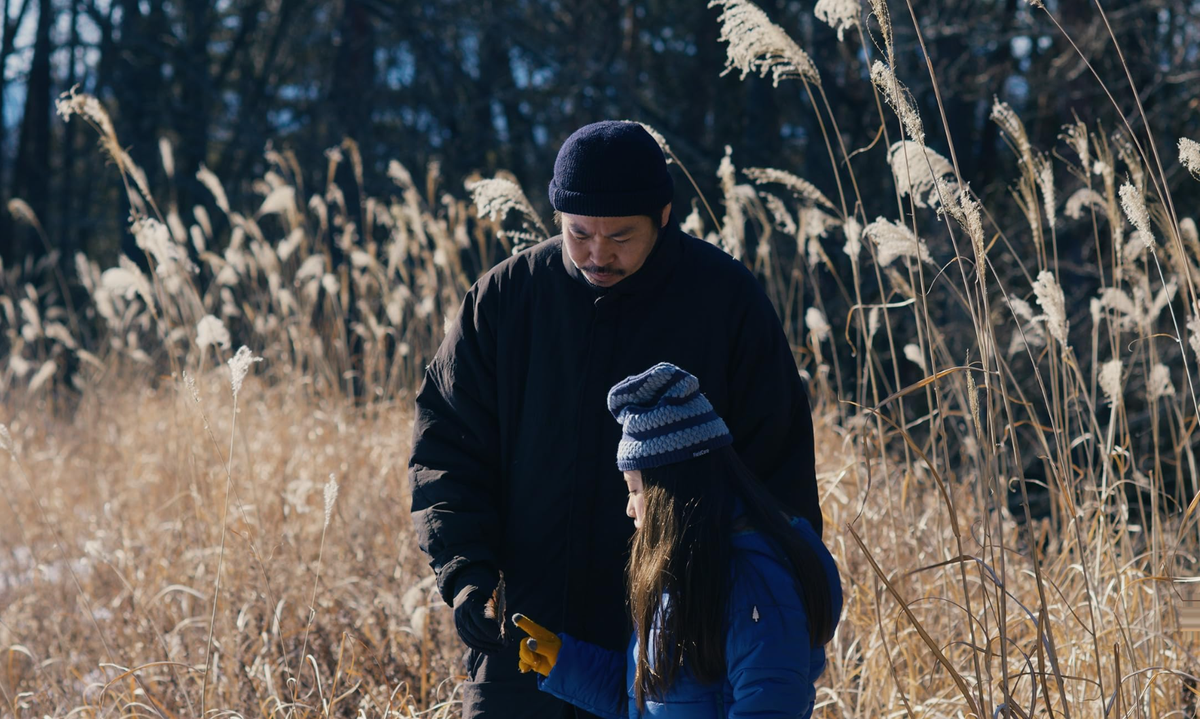
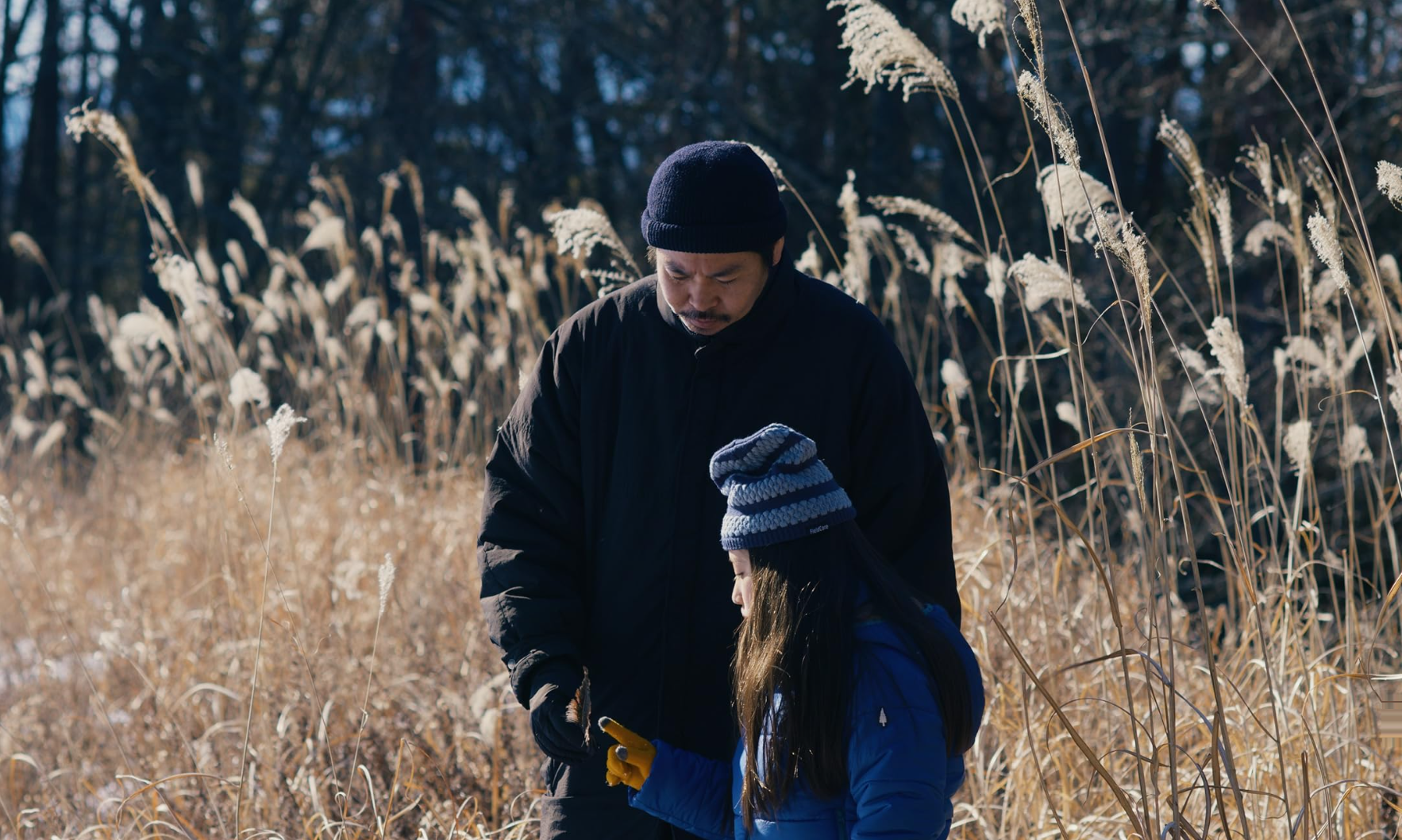
The core of the opposition is a woodcutter and local guide, a middle-aged man named Takumi, who lives outside the village with his school-age daughter Hana. Takumi (Hitoshi Omika) is a man of few words and fewer displays of emotion, but he is widely respected among the villagers. On walks with his daughter (Ryô Nishikawa), he names every species of tree, points out signs of deer munching on saplings, and spots wild horseradish growing among the melting snow of late spring.
The film — definitely an example of Slow Cinema — starts off with several minutes of Takumi 1) chopping firewood, and 2) gathering water from a mountain spring; that’s after a titles sequence in which the camera, pointed straight up toward the forest canopy like a 9-year-old walking along with her head in the clouds, shows nothing but branches against the sky in a slow, steady tracking shot that goes on for at several minutes itself.
As a counterpoint to the pastoral scenes captured by the camera, sad symphonic music (by Eiko Ishibashi) suggests that the seemingly peaceful forest conceals danger. Occasional shotgun blasts go off in the distance; the two representatives of the Tokyo company who have come to co-opt Takumi into supporting their project remark that it’s the first time they’ve ever heard actual gunfire. There’s also a frozen mountain lake which, given the late season, must be thawing; a chainsaw and axe that Takumi casually wields in his work; and the sheer ignorance of the Tokyo people, Takahashi (Ryuji Kosaka) and Mayuzumi (Ayaka Shibutani). Their growing skepticism about their own company’s project should offer reassurance to the viewer, but the more they try to get to know Takumi’s world, the less I trusted them.
In any case, the surprise ending of the film, in which previously obscured dangers and passions come to the surface, doesn’t have anything to do with whether or not the tourist project goes forward. Instead, the viewer is left peering into the gathering darkness, trying to discern exactly what’s happened. I thought of the day, in 1989, of the Loma Prieta earthquake in San Francisco. The quake took place a little after 5 pm on a perfect October day and took out electricity for miles in every direction, so that as darkness fell it was more complete than the city had experienced in, maybe, ever.
Z107.7 FM, “‘Wonder Valley Inn’ resort proposal denied by San Bernardino County Planning Commission”; SB Sentinel, 6 April 2023: Hiding Tortoise Presence Data Tripped Up Wonder Valley Inn Proponents ↩