Review: Parthenope (2024)
An Italian fantasy that's little more than a feature-length perfume and jewelry ad
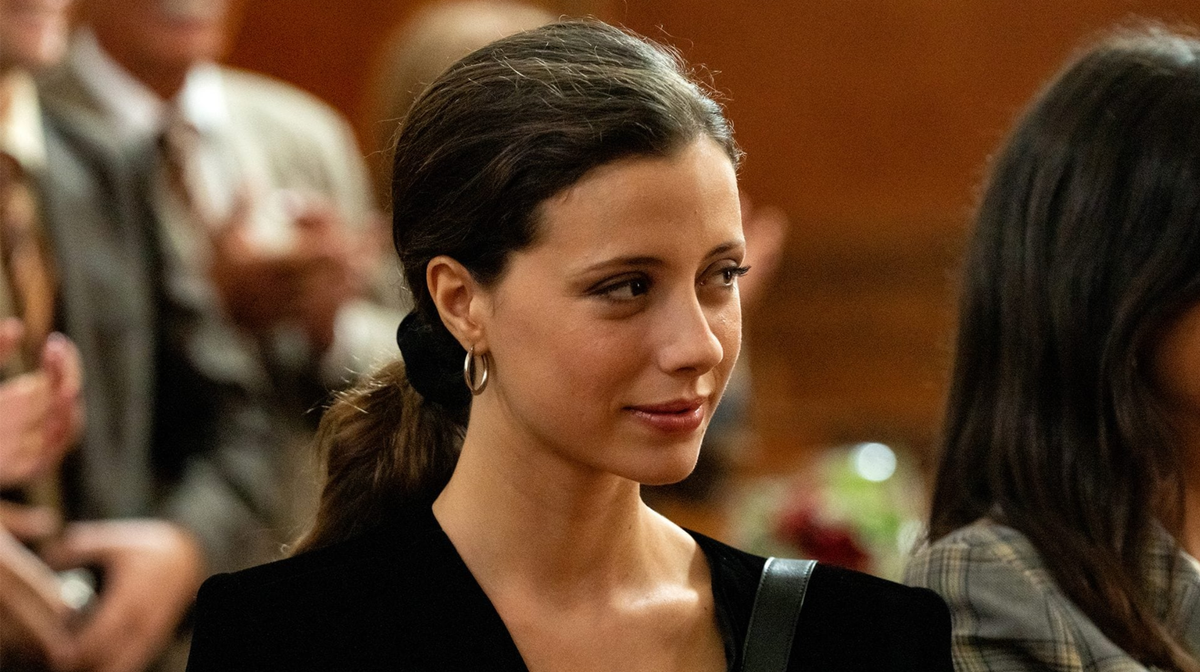
Parthenope (2024)
Written and directed by Paolo Sorrentino
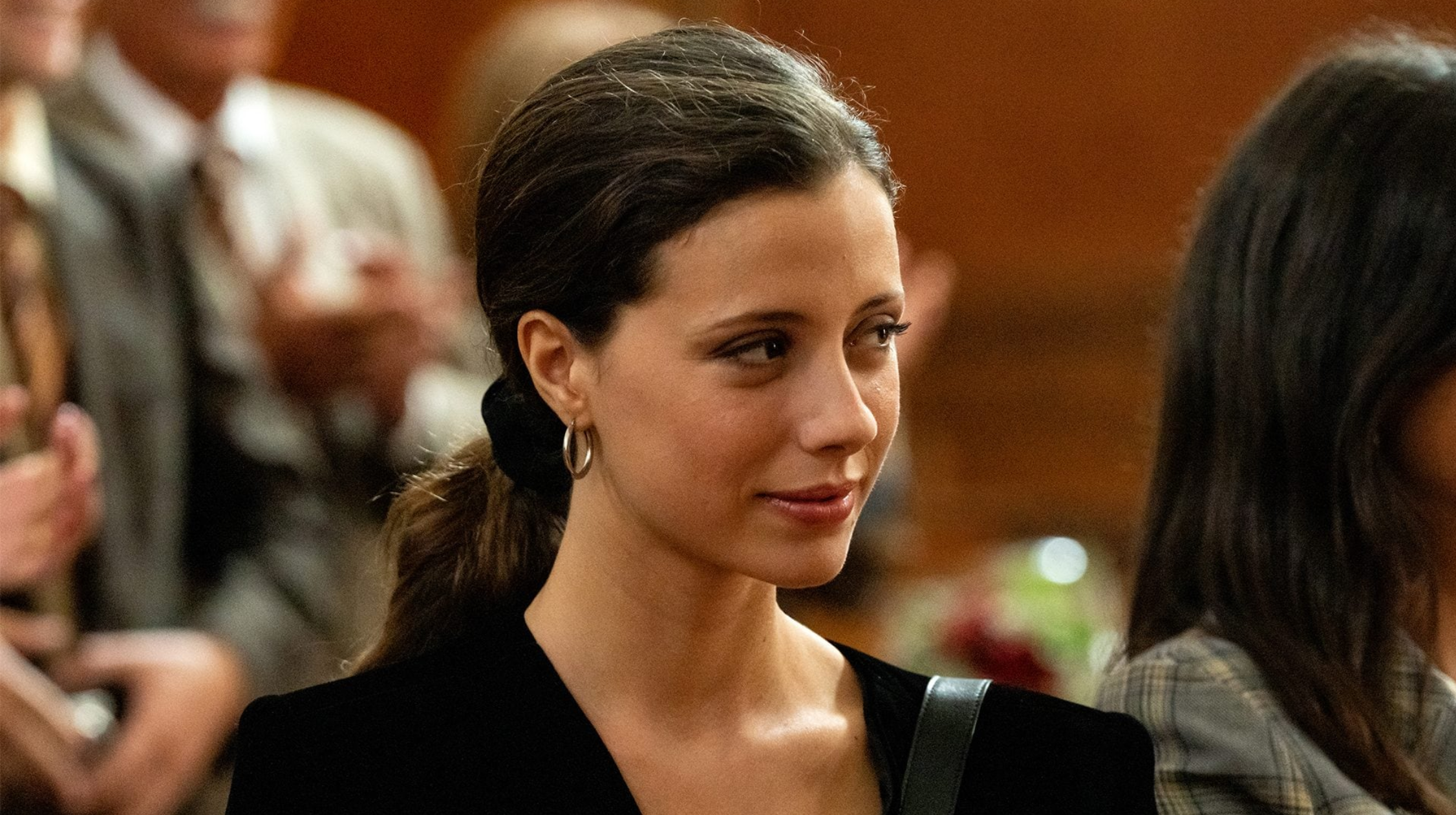
Parthenope is the Greek name for the Italian city of Naples; as a Greek word, the “e” at the end is pronounced, as in “calliope” or “catastrophe.” And it’s the name of the protagonist of this film, an exercise in myth and the male gaze.
Think of one of those impenetrable commercials you see on television for perfume or jewelry, in which gorgeous, perfect teenagers are posed in dreamlike settings — there is little or no action at all, merely the animation of a magazine ad for a luxury product — and make it feature length. Yes, there is a story, sort of, a coming-of-age depiction of a beauteous woman in a rich Naples family that lives in a villa on the sea. Put another way, the movie is what results when a man asks himself “What if a woman were intelligent and could say clever things, in addition to being one of the most beautiful and rich people who ever lived in a picturesque setting?”
Because the main character is named after, and therefore is supposed to somehow embody, the historic and influential city in which she is born and grows up, the film is probably supposed to be an allegory about Naples itself. I keep saying “supposed to” because I feel I don’t know enough about Naples and its self-image to be able to judge whether the filmmaker intended it to be an allegory and whether he does so successfully. But about 3/4 of the way through, another character delivers a scathing denunciation of the city itself like a biblical prophet condemning the capital of an evil kingdom. So it’s fairly clear even to an ignorant American reviewer like myself that writer-director Paolo Sorrentino intends a critique.
If so, it’s one that is wrapped in layers and layers of luxury. The lifestyle of the main character and her family is due to a shipping fortune that apparently has survived World War II — the film opens in 1950 and they’re already ensconced in the villa on the sea — and only continues to grow through the film’s timeline. It’s telling that the jeremiad that I just mentioned, spoken by a middle-aged still-glamorous movie star named Greta Cool (Luisa Ranieri), attacks the character of Neapolitans but never mentions the Mafia or the country’s recent fascist dictator, whom a wealthy family wouldn’t have been able to help being in bed with. “Parthenope” has endless scenes of beauty, starting with the sea itself and including most of the characters themselves, but almost no recognition of poverty or ugliness. Even a plague of cholera — fictional for the late 1960s as the film depicts, but accurate about many historical plagues in the city’s history — is represented entirely by a single scene that shows a monstrous antibacterial fluid-spraying truck. It doesn’t show a single victim or hospital, nor does it show the lack of sanitation and public health infrastructure that leads to a cholera outbreak. Nor does the film show any hint that Naples was the most bombed city in World War II. Except for a single scene where Parthenope and a man in a tuxedo — she’s met him earlier in the evening and when he introduces himself perhaps viewers are meant to recognize his name as an actual figure, perhaps a politician — wander through a dark warren of alleys among the hoi polloi, the film contains hardly any characters who are not rich and gorgeous, or (if middle aged or older) formerly so.
I said that the man in the tux might be recognizable to Italians; the film goes even further, at least as far as American viewers are concerned, in its extended scenes that show Parthenope interacting with the aging, swollen American alcoholic writer John Cheever (Gary Oldman). Typically, the gorgeous protagonist is depicted as being able to have anyone and anything she wants, so is attracted to several older men, two of whom (the homosexual Cheever and a university professor under whom she studies) are in no danger of coming on to her. The same cannot be said for a Roman Catholic cardinal who adorns her with millions of dollars of gold and precious gems — the “treasure” of the archdiocese stolen over millennia — and then fucks her. (At least he has something else to offer: he’s the only character shown to actually engage in foreplay.) We’re practically in de Sade territory now, at least in this sequence — though unlike de Sade’s Juliette, Parthenope retains her good heart and soul. Even the wander through the slum, unlike that of Siddhartha, didn’t crack her basic goodness.
Needless to say, the whole thing is an exercise in the male gaze. One might try to imagine the same premise done by a woman filmmaker, but then again a woman would never have the same premise, succinctly articulated by the Cheever character when he asks her “Do you have any idea what a disruption your beauty causes?” I once tried asking more or less the same thing of a very beautiful woman, and she reacted with great impatience that made it clear to me that she had no interest in being defined merely as an object no matter how disruptive.
But it’s the basic premise at the heart of the fashion industry, the idea that beyond a certain point immensely beautiful young people are more or less like gods among us, and though they rarely deign to even notice us, they are generous enough to allow us to see them — if only in the pages of high fashion magazines, or the occasional movie like this.
Don’t misunderstand me. This is a gorgeous movie featuring gorgeous people, and will be enough for some. To those who would really enjoy it, its irrelevance is itself irrelevant.