Review: Secretary (2002)
Also, the uncanny valley of high-definition TV
TW: self-harm; abusive employer
Secretary (2002)
Directed by Steven Shainberg
As a Midwesterner nrought up by people who personally went through the Depression, I tend to hang on to objects longer that I probably should. The particular object that I just replaced was a television. It was the first and only digital TV I ever owned, and it was at least 10 years old. Not high-definition, not by a long shot. I was used to it, of course, and when we moved recently I probably would have brought it along. But Anna said we were getting a new TV, and replaced it with a thing twice as big and very high-definition.
Everyone else has probably gone through this moment long ago, so you might not even be able to recall what it was like first watching movies and television shows on a high-def TV. It’s weird; it’s its own affect. Everything is shiny and seems too well lit, and it’s either too blemished (having been made before hi-def displays were common) or, more likely, too unblemished. Above all, everything has a raw look; it feels like raw news video before being edited. Even more than the shiny surfaces, which are reminiscent of an acid trip, every lens and angle distortion, every slight shake of a camera, seem amplified, giving everything a somewhat amateurish cast. I have to keep telling myself that I’m not watching a student film.
Example: It took me a couple of months to watch all eight episodes of the Netflix series “Kleo.” I watched the first five on the old TV and the last three on the new one, and when I started the latter, I wasn’t sure what I was watching. Were they purposely emphasizing the over-lit video look? Surely the previous episodes weren’t like that, were they?

I rewatched one of the earlier episodes on the new display. It had the same sheen as the later episode I’d just been nonplussed by. So all of the series is like that, at least when viewed on Netflix streaming. Well, I said to myself, that makes sense — the series was shot using high def video.
So when I watched the 2002 film “Secretary,” I wondered how it would look. In much of the movie, I saw the same uncanny effects: too video-looking, and notably too shaky. It seems Netflix displays content at a higher rate than other services. It’ll be interesting to see what it looks like to watch a film on Amazon Prime on this big boy.
Anyway, the movie.
For anyone who was a writer, or a humanities student at a good university, in the 1980s, the beginning of Mary Gaitskill’s career was an event. Her 1988 debut collection “Bad Behavior,” with its stories about the generation of women who broke ground for or inherited the freedoms of the sexual revolution, was widely noticed, reviewed, read, excerpted, and imitated. Its characters practiced liberated lives and confronted the emotional and psychic consequences of BDSM, sex work, or simple ambivalence about their sexuality. Her book ushered in decades of frankness about the complex sexual lives of women by women writers — as well as some men.
One of the standouts in the collection was her story “Secretary,” which portrayed BDSM in a frank and complex way. Originally published by the online zine Nerve, the story depicted not only the kinky relationship between a repressed lawyer and a young female employee in the days before such abuse immediately acquired the tag #MeToo, but provided a rich emotional context for the main character’s attraction to it. (Thirty-five years later, in the New Yorker, Gaitskill revisited the theme in light of #MeToo in the story “Minority Report.”)
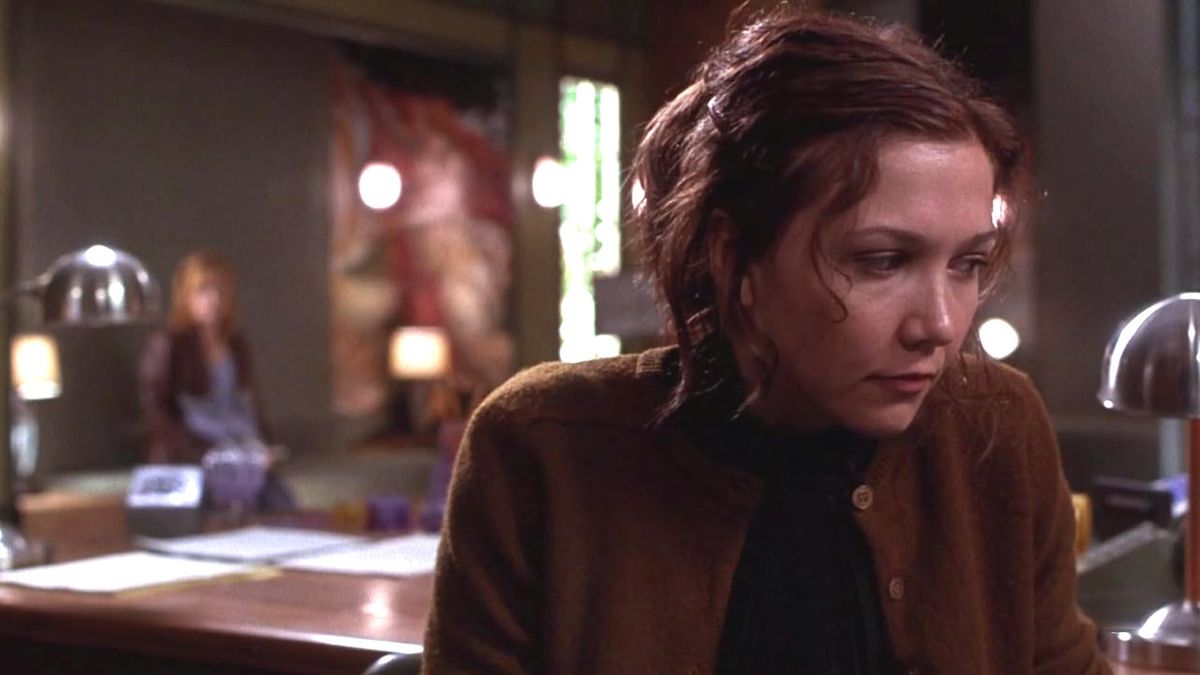
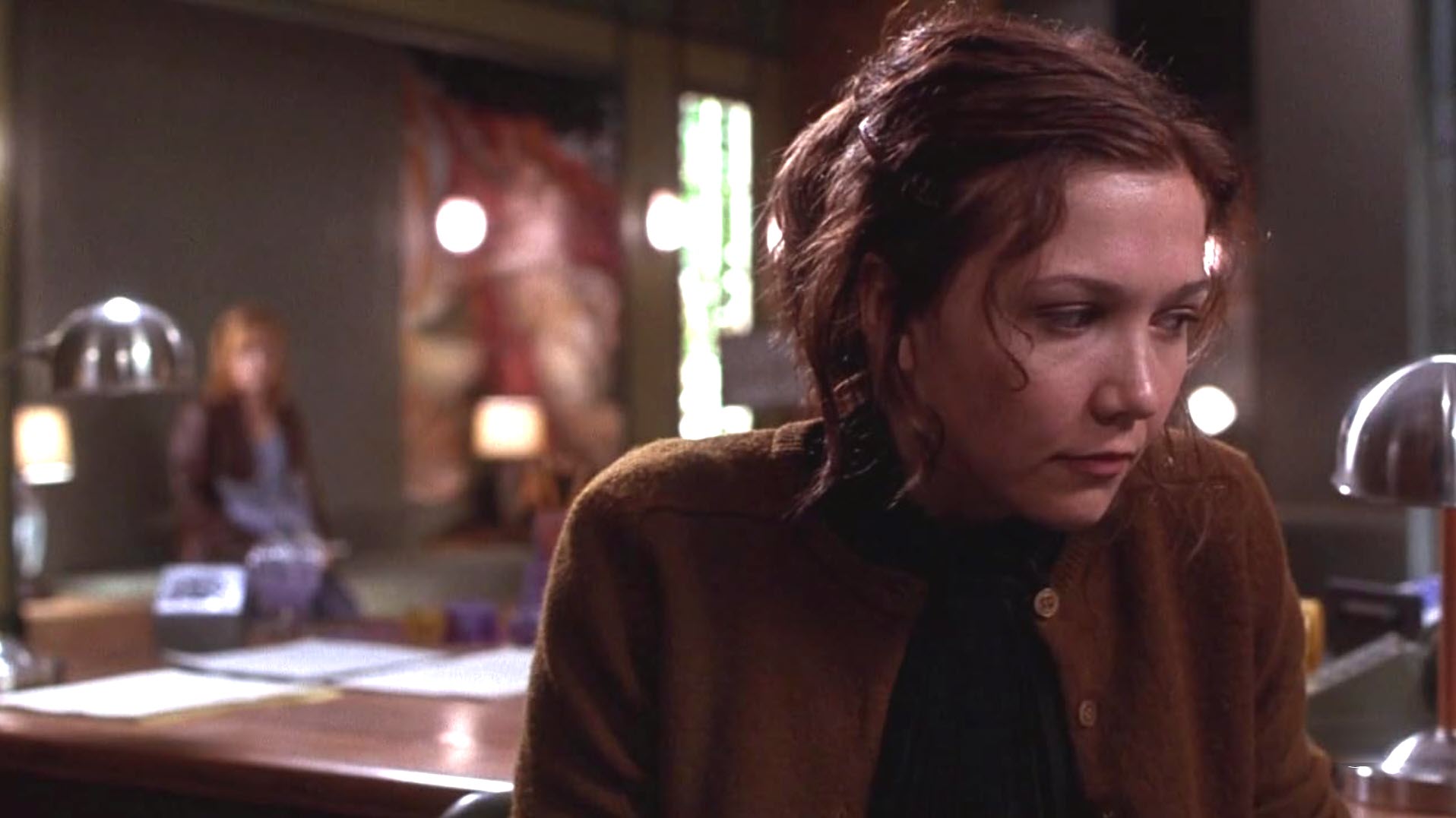
Made fourteen years after the short story was published, the movie version is a mostly faithful rendition of the story’s first and second acts. (As in many films adapted from literary works, the movie changes the ending to something more positive. Gaitskill is said1 to have called the film “the ‘Pretty Woman’ version” of the story.) Maggie Gyllenhaal is unforgettable as Lee Holloway, who in the degrading treatment by her employer, an abusive lawyer, finds first comfort and then (again, inevitably considering it’s a movie) personal growth. Able to clearly and credibly express both the pain and humiliation of self-harm and the attraction to and pleasure in her character’s humiliation by another person, Gyllenhaal’s complex portrayal is highly enjoyable. In addition to giving credibility to each of her character’s moments, Gyllenhaal also manages to be attractive throughout, transforming her career from indie It-girl to genuine movie star.
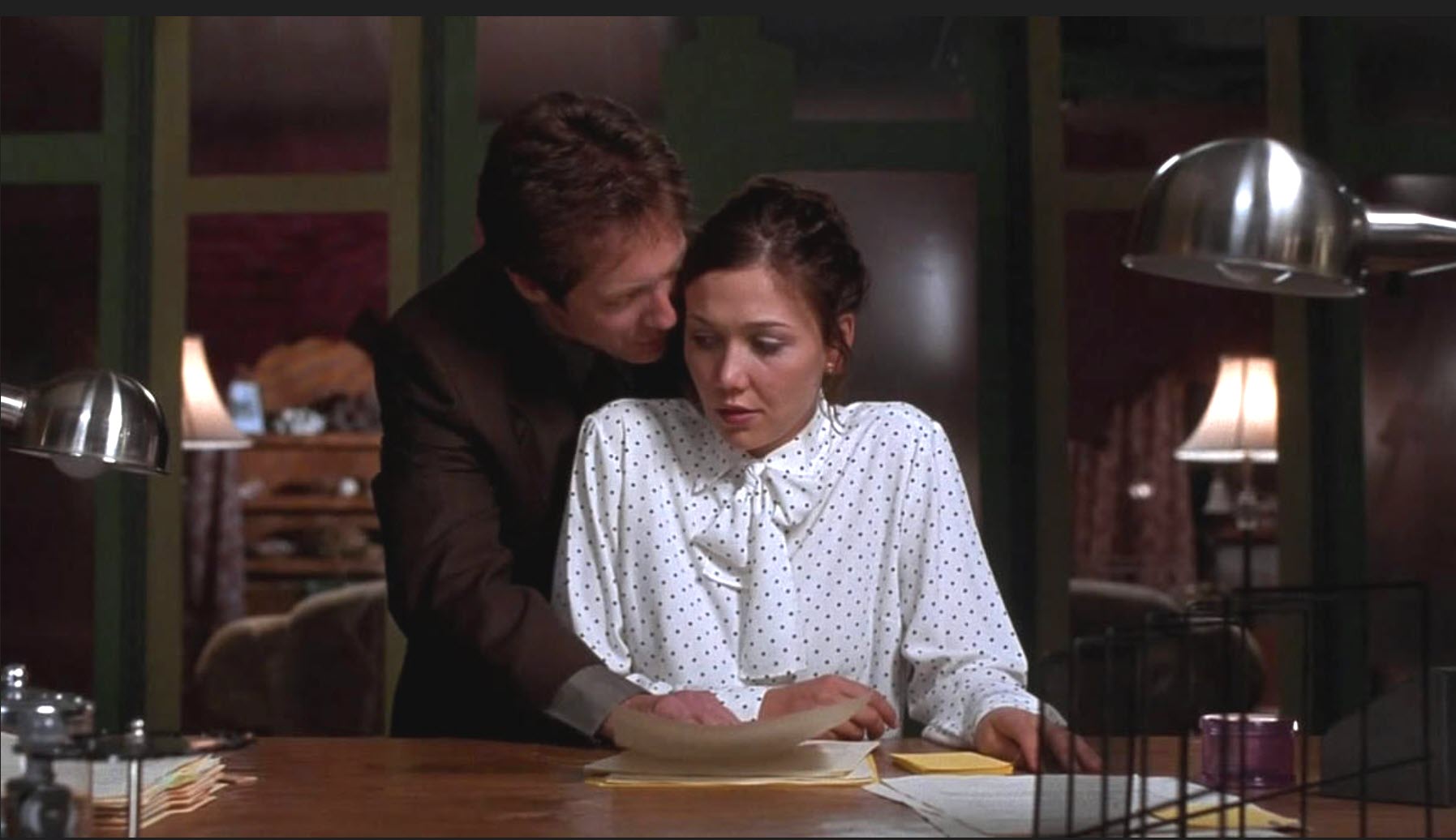
As Lee’s employer, James Spader also fulfills a difficult task. It’s very hard to perform a sexual sadist’s role on screen without seeming either ridiculous or a monster. In this case, finding his character’s emotional truth allows the audience to see Spader as a believable top and, simultaneously, an ultimately weak person. Almost all tops are shown in the end to be weaker than the bottom: the bottom’s jouney leaves them intact and often stronger than when they begun, while the top eventually runs out of skill or imagination and has nothing to show for it. Inevitably, their bluff is called. Spader’s performance is good because he shows the viewer the lawyer’s weakness throughout, so that when his bluff is called, the viewer understands perfectly.
Unfortunately, much of Steven Shainberg’s direction is poor. Not satisfied with doing shots simply, he tries to get fancy and fails. Angles on a scene are often weird and amateurish; there’s no visual or contextual reason for them. Somehow he managed to get enough coverage of the necessary angles. And in the key scene when the verbal abuse turns physical, Shainberg wisely shows little of what the Spader character is doing and leaves it to the sound design and to Gyllenhaal to transmit its effect on her. The way I look at it, Shainberg, who also had the benefit in this movie of amazing work by production designer Amy Danger and hasn’t directed a feature since 2016, lucked into this project. A one-hit wonder.